The Mishomis Book
The Voice of the Ojibway
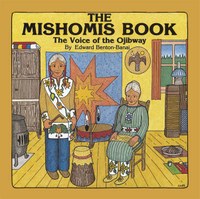
In The Mishomis Book, Edward Benton-Banai documents the history, traditions, and culture of the Ojibway people through stories passed down through generations. For readers from all cultures—but especially for Ojibway and Native youth—The Mishomis Book provides an introduction to Ojibway culture and the sacred Midewiwin teachings, aiming to protect this knowledge by instilling its importance in a new generation.
A truly significant effort—every tribe should support this kind of writing about its history and traditions.
Vine Deloria, Jr
The Ojibway is one of the largest groups of Native Americans, belonging to the Anishinabe people of what is today the northern United States and Canada. The Mishomis Book documents the history, traditions, and culture of the Ojibway people through stories and myths passed down through generations. Written by Ojibway educator and spiritual leader Edward Benton-Banai, and first published in 1988, The Mishomis Book draws from the traditional teachings of tribal elders to instruct young readers about Ojibway creation stories and legends, the origin and importance of the Ojibway family structure and clan system, the Midewiwin religion, the construction and use of the water drum and sweat lodge, and modern Ojibway history.
Written for readers from all cultures—but especially for Ojibway and Native youth—The Mishomis Book provides an introduction to Ojibway culture and an understanding of the sacred Midewiwin teachings, aiming to protect this knowledge by instilling its importance in a new generation. Encouraging the preservation of a way of life that is centered on respect for all living things, these vibrant stories about life, self, community, and relationship to nature are just as relevant to the modern reader as they were hundreds of years ago.
A truly significant effort—every tribe should support this kind of writing about its history and traditions.
Vine Deloria, Jr
Anyone — adult or child — interested in the history and culture of the Ojibway (Anishinabe) people will find The Mishomis Book by Edward Benton-Banai interesting and enlightening. Benton-Banai goes back — way back — in telling tales of the original people on earth and the mission they were given. Within his stories is wisdom regarding the nature of man, relationships, and finding meaning in life.
Cook County News-Herald
CHAPTER 1 The Ojibway Creation Story…………………2
CHAPTER 2 Original Man Walks the Earth…………………6
CHAPTER 3 Original Man and His Grandmother No-ko’-mis…………………12
CHAPTER 4 The Earth’s First People…………………22
CHAPTER 5 The Great Flood…………………30
CHAPTER 6 Waynaboozhoo and the Search for His Father…………………36
CHAPTER 7 Waynaboozhoo and His Return to the People…………………53
CHAPTER 8 The Seven Grandfathers and the Little Boy…………………61
CHAPTER 9 The Old Man and the First Midewiwin Ceremony…………………68
CHAPTER 10 The Clan System…………………75
CHAPTER 11 The Pipe and the Eagle…………………80
CHAPTER 12 The Sweat Lodge…………………84
CHAPTER 13 The Seven Fires…………………90
CHAPTER 14 The Migration of the Anishinabe…………………95
CHAPTER 15 Conclusion: Stepping into Modern History………………104