The Insect and the Image
Visualizing Nature in Early Modern Europe, 1500-1700
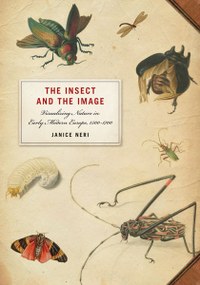
The Insect and the Image explores the ways in which visual images defined the insect as a proper subject of study for Europeans of the early modern period. Revealing how sixteenth- and seventeenth-century artists and image makers shaped ideas of the natural world, Janice Neri enhances our knowledge of the convergence of art, science, and commerce today.
The Insect and the Image is a lucid, engaging study of how early modern artists and naturalists came to see insects as a serious object of study. Going beyond the anachronistic division between art and science, Janice Neri explores what she calls ‘specimen logic:’ how artists’ techniques and the material culture of studying and collecting turned insects into rare, exquisite curiosities that could reveal an exotic new world. At the same time she underscores how those who studied insects used them to define themselves and their place in society.
Brian Ogilvie, author of The Science of Describing: Natural History in Renaissance Europe
Once considered marginal members of the animal world (at best) or vile and offensive creatures (at worst), insects saw a remarkable uptick in their status during the early Renaissance. This quickened interest was primarily manifested in visual images—in illuminated manuscripts, still life paintings, the decorative arts, embroidery, textile design, and cabinets of curiosity. In The Insect and the Image, Janice Neri explores the ways in which such imagery defined the insect as a proper subject of study for Europeans of the early modern period.
It was not until the sixteenth century that insects began to appear as the sole focus of paintings and drawings—as isolated objects, or specimens, against a blank background. The artists and other image makers Neri discusses deployed this “specimen logic” and so associated themselves with a mode of picturing in which the ability to create a highly detailed image was a sign of artistic talent and a keenly observant eye. The Insect and the Image shows how specimen logic both reflected and advanced a particular understanding of the natural world—an understanding that, in turn, supported the commodification of nature that was central to global trade and commerce during the early modern era.
Revealing how sixteenth- and seventeenth-century artists and image makers shaped ideas of the natural world, Neri’s work enhances our knowledge of the convergence of art, science, and commerce today.
The Insect and the Image is a lucid, engaging study of how early modern artists and naturalists came to see insects as a serious object of study. Going beyond the anachronistic division between art and science, Janice Neri explores what she calls ‘specimen logic:’ how artists’ techniques and the material culture of studying and collecting turned insects into rare, exquisite curiosities that could reveal an exotic new world. At the same time she underscores how those who studied insects used them to define themselves and their place in society.
Brian Ogilvie, author of The Science of Describing: Natural History in Renaissance Europe
With this well-conceived, articulate, and stimulating book, Neri . . . contributes to the growing literature on the role of images in early modern knowledge production.
Choice
It is a sign of a very fine book to leave us wanting to hear more about an aspect of nature most of us tend to ignore. Neri compels us to look at insects with both artists and naturalists as our guide, and to recognize that they were not at the margins but at the center of the conversation about early modern natural history. Her passion for and delight in her subject shines through on every page.
Renaissance Quarterly
A fine achievement. Clearly written, nicely illustrated, and solidly documented, Neri's book hones her interest in the juncture between art and science in upon the illustration of insects as objects and subjects, in studies of the work of Joris Hoefnagel, Ulisse Aldrovandi, Thomas Moffet, early still‐life painting, Robert Hooke, and Maria Sibylla Merian.
Sehepunkte
Over the course of the sixteenth and seventeenth centuries, insects crawled their way to the center of books, paintings, and other media of natural history illustration. Janice Neri’s wonderful book charts this transformation in the practices of depicting insects through the early modern period.
New Books in Science, Technology, and Society
Janice Neri’s The insect and the Image is a fascinating study of insect illustrations in the early modern period. It can be placed at the intersection between two emerging disciplines related to the history of science and more particularly the history of natural history: the history of practices and the inquiry into the epistemic importance of images.
Archives of Natural History
Though focused on visual culture surrounding insects, Neri’s work is admirably interdisciplinary and wide-ranging. All-in-all, Neri’s book is really fascinating and its focus purely on early modern insect depictions is a major contribution to scholarship about the period.
Terrae Incognitae
Contents
Introduction: Specimen Logic
I. Insects as Objects and Insects as Subjects: Establishing Conventions for Illustrating
Insects
1. Joris Hoefnagel’s Imaginary Insects: Inventing an Artistic Identity
2. Cutting and Pasting Nature into Print: Ulisse Aldrovandi’s and Thomas Moffet’s
Images of Insects
3. Suitable for Framing: Insects in Early Still Life Paintings
II. New Worlds and New Selves
4. Between Observation and Image: Representations of Insects in Robert Hooke’s
Micrographia
5. Stitches, Specimens, and Pictures: Maria Sibylla Merian and the Processing of the
Natural World
Conclusion: Discipline and Specimenize
Acknowledgments
Notes
Index