Playing with Fire
Feminist Thought and Activism through Seven Lives in India
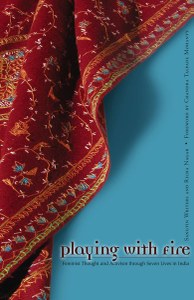
Playing with Fire is written in the collective voice of women employed by a large NGO as activists in their communities and is based on diaries, interviews, and conversations among them. Together their personal stories reveal larger themes and questions of sexism, casteism, and communalism, and a startling picture emerges of how NGOs both nourish and stifle local struggles for solidarity.
This bold experiment in feminist praxis has produced a unique document—at once earthy, poignant, and biting—about the oppression of caste, gender, and class in women's lives in India.
Lila Abu-Lughod, Columbia University
Seven voices contribute to this rare glimpse of the work being done on the front lines of the fight for social change in India. Playing with Fire is written in the collective voice of women employed by a large NGO as activists in their communities and is based on diaries, interviews, and conversations among them. Together their personal stories reveal larger themes and questions of sexism, casteism, and communalism, and a startling picture emerges of how NGOs both nourish and stifle local struggles for solidarity.
The Hindi edition of the book, Sangtin Yatra, published in 2004, created controversy that resulted in backlash against the authors by their employer. The publication also drew support for the women and instigated a public conversation about the issues exposed in the book. Here, Richa Nagar addresses the dispute in the context of the politics of NGOs and feminist theory, articulating how development ideology employed by aid organizations serves to reinforce the domination of those it claims to help.
In 2019, Rumpus placed Playing with Fire on their list "What to Read When You Want to Celebrate Women's History." The journey of the Sangtin Writers has continued since the writing of Sangtin Yatra and Playing with Fire, and can be found on the pages of Muddying the Waters and Hungry Translations.
This bold experiment in feminist praxis has produced a unique document—at once earthy, poignant, and biting—about the oppression of caste, gender, and class in women's lives in India.
Lila Abu-Lughod, Columbia University
Provides a rich and nuanced account of the deep contradiction and double standards embedded in the very foundations of NGOs structures.
The Hindu
This easily readable book is a landmark contribution to feminist research methodology and accountability in knowledge production. Its authors understanding even includes ‘feminist’ NGOs as organizations reflecting social hierarchies, while attempting to change them. They offer valuable insights into the process of women’s empowerment. This is a ‘must read’ book for NGO leaders and board members, grassroots workers, donors, government policy makers, and academic institutions.
Development in Practice
Contents
Foreword Chandra Talpade Mohanty
Acknowledgments
Introduction. Playing with Fire: A Collective Journey across Borders Richa Nagar
A Journey of Sangtins Anupamlata, Ramsheela, Reshma Ansari, Richa Nagar, Richa Singh, Shashi Vaish, Shashibala, Surbala, and Vibha Bajpayee
1. The Beginnings of a Collective Journey
2. A Very Short Childhood
3. From the Streets of Babul to the Wetness of Aanchal
4. Prisons within Prisons: Battles Stretching from the Courtyard to the Mind
5. Cracking Cages, New Skies
6. Challenges of NGOization and Dreams of Sangtin
Postscript: NGOs, Global Feminisms, and Collaborative Border Crossings Richa Nagar
Notes
Glossary
Selected Bibliography