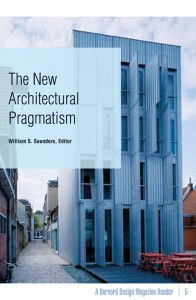
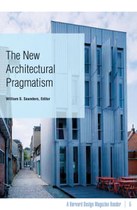
The New Architectural Pragmatism
A Harvard Design Magazine Reader
Explores the tension between adaptation and resistance to commercial conditions in architectural practice and theory.
Contributors: Stan Allen, George Baird, Lucy Bullivant, James Corner, Hal Foster, Kenneth Frampton, K. Michael Hays, Dave Hickey, Robert Levit, Evonne Levy, Reinhold Martin, Jorge Silvetti, Robert Somol, Philippe Starck, Roemer van Toorn, Sarah Whiting, Alejandro Zaera-Polo.
This collection brings together the most provocative, penetrating, and influential attempts by leading theorists and practitioners in the field to define what architectural practice should be in the beginning of the 21st century. Written in the aftermath of modernism’s utopian impulse and postmodernism’s detached playfulness, the essays gathered here express and critique a new spirit of cultural and political engagement with contemporary society.
APADE
In response to the contentious process surrounding the selection of a design for the World Trade Center site, the use of spectacular buildings to brand cities and institutions, and the dizzying transformations of the skylines of Shanghai and Dubai, public awareness of architecture and design has perhaps never been higher. At the same time, architecture is undergoing an identity crisis as it confronts fundamental issues: the effect of digital technology on design, the pervasive impact of global capitalism, and the decision to embrace or resist popular media and taste.
The New Architectural Pragmatism collects the most provocative, penetrating, and influential attempts by leading theorists and practitioners in the field to define what architectural practice should be at the beginning of the twenty-first century. Written in the aftermath of modernism’s utopian impulse and postmodernism’s detached playfulness, the essays gathered here express and critique a new spirit of cultural and political engagement with contemporary society.
Interrogating the architect’s social responsibility, the contributors deliberate about how much we should ask of architecture and suggest that in the coming century architecture must be at once flexible and robust, responsive and self-directed.
Contributors: Stan Allen; George Baird; Lucy Bullivant; James Corner; Hal Foster; Kenneth Frampton; K. Michael Hays; Dave Hickey; Robert Levit; Evonne Levy; Reinhold Martin; Jorge Silvetti; Robert Somol; Philippe Starck; Roemer van Toorn; Sarah Whiting; Alejandro Zaera-Polo.
This collection brings together the most provocative, penetrating, and influential attempts by leading theorists and practitioners in the field to define what architectural practice should be in the beginning of the 21st century. Written in the aftermath of modernism’s utopian impulse and postmodernism’s detached playfulness, the essays gathered here express and critique a new spirit of cultural and political engagement with contemporary society.
APADE
Contents
Introduction: Accept, Resist, or Infl ect? Architecture and Contemporary Capitalism William S. Saunders
1. A Scientifi c Autobiography, 1982–2004: Madrid, Harvard, OMA, the AA, Yokohama, the Globe Alejandro Zaera - Polo
2. Notes around the Doppler Effect and Other Moods of Modernism Robert Somol and Sarah Whiting
3. Starck Speaks: Politics, Pleasure, and Play Philippe Starck
4. P.S./P.C.: On “Starck Speaks” K. Michael Hays
5. No More Dreams? The Passion for Reality in Recent Dutch Architecture . . . and Its Limitations Roemer van Toorn
6. No More Tabula Rasa: Progressive Architectural Practices in England Lucy Bullivant
7. Not Unlike Life Itself: Landscape Strategy Now James Corner
8. On Not Being Governed Dave Hickey
9. Stocktaking 2004: Questions about the Present and Future of Design Stan Allen, Hal Foster, and Kenneth Frampton
10. “Criticality” and Its Discontents George Baird
11. Critical of What? Toward a Utopian Realism Reinhold Martin
12. Design Will Save the World! On Bruce Mau’s Massive Change and the Mediatization of Culture Robert Levit and Evonne Levy
13. The Muses Are Not Amused: Pandemonium in the House of Architecture Jorge Silvetti
Contributors