The Modern Architectural Landscape
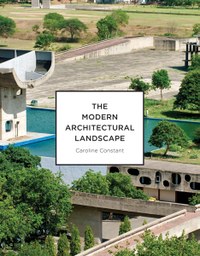
In The Modern Architectural Landscape Caroline Constant examines diverse approaches to landscape in the work of architects practicing in Europe and the United States between 1915 and the mid-1980s. Constant focuses on the precise material forms and ideological underpinnings of landscapes conceived by architects, revealing them as salient to the formulation of both modern architecture and the modern landscape.
This is a book which architect aficionados of landscape design have long been waiting for, written by a critical scholar who has devoted the best part of the last twenty years to a progressive analysis of the interplay between modern architectural form and the landscape by which it has been invariably amplified.
Kenneth Frampton, author of Modern Architecture: A Critical History
In The Modern Architectural Landscape Caroline Constant examines diverse approaches to landscape in the work of architects practicing in Europe and the United States between 1915 and the mid-1980s. Case studies highlight landscapes in the public realm rather than the private garden, which had been a primary focus of much Western landscape theory and practice during the early decades of the century. These landscapes do more than accommodate the functional needs of the evolving mass society in parks, playgrounds, and places of assembly; they give formal expression to Modern Movement social and political ideologies, engaging the symbolic potential of the modern landscape—particularly in its ability to take on new, more democratic forms of social organization.
Constant probes the cultural significance of specific landscapes designed by architects, understanding them as ways of interpreting the world and the place of humankind in the world. The examples she scrutinizes extend widely across the century (from the works of Erik Gunnar Asplund and Jože Plečnik to those of Le Corbusier and Rem Koolhaas) and around the globe (from suburban Los Angeles to Barcelona and Chandigarh).
Approaching landscape as an essential component of modern architecture’s constructive endowment of material with social value, The Modern Architectural Landscape focuses on the precise material forms and ideological underpinnings of landscapes conceived by architects, revealing them as salient to the formulation of both modern architecture and the modern landscape.
This is a book which architect aficionados of landscape design have long been waiting for, written by a critical scholar who has devoted the best part of the last twenty years to a progressive analysis of the interplay between modern architectural form and the landscape by which it has been invariably amplified.
Kenneth Frampton, author of Modern Architecture: A Critical History
Most significant is Constant’s call for new approaches to design grounded in rediscoveries of our historic narratives in order to reevaluate the breadth and depth of thick practices we have not yet acknowledged.
The Journal of the Society of Architectural Historians
Rarely has landscape architecture and landscape been expounded as substantially.
Architectural Histories
Contents
Preface
Acknowledgments
Introduction: Landscapes of Modern Architecture
1. Social Idealism and Urban Landscape: Sunnyside Gardens vs. Römerstadt
2. The Barcelona Pavilion as Landscape Garden: Modernity and the Picturesque
3. The Urban Landscapes of Erik Gunnar Asplund: Architecture between “Nature” and the City
4. Toward a Spiritual Landscape: The Woodland Cemetery and Swedish Burial Reform
5. A Landscape “Fit for a Democracy”: Jože Plečnik at Prague Castle
6. Collaborative Fruits: Garrett Eckbo’s Communal Landscapes
7. From the Virgilian Dream to Chandigarh: Le Corbusier and the Modern Landscape
8. Hilberseimer and Caldwell: Intersecting Ideologies in Lafayette Park
9. The Once and Future Park: From Central Park to OMA’s Parc de la Villette
Afterword
Notes
Publication History
Index