Imperfect Unions
Staging Miscegenation in U.S. Drama and Fiction
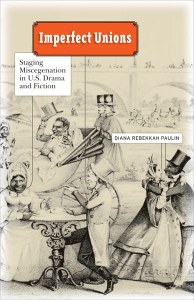
Imperfect Unions examines the vital role that nineteenth- and twentieth-century dramatic and literary enactments played in the constitution and consolidation of race in the U.S. Diana Rebekkah Paulin investigates how these representations produced, and were produced by, the black–white binary that informed them in a wide variety of texts written across the period between the Civil War and World War I.
Imperfect Unions is a brilliant and illuminating study that promises to break new ground in theater and performance studies, in comparative ethnic literary and cultural studies, and in trans-hemispheric studies.
Daphne Brooks, author of Bodies in Dissent: Spectacular Performances of Race and Freedom, 1850-1910
Imperfect Unions examines the vital role that nineteenth- and twentieth-century dramatic and literary enactments played in the constitution and consolidation of race in the United States. Diana Rebekkah Paulin investigates how these representations produced, and were produced by, the black–white binary that informed them in a wide variety of texts written across the period between the Civil War and World War I—by Louisa May Alcott, Thomas Dixon, J. Rosamond Johnson, Charles Chesnutt, James Weldon Johnson, William Dean Howells, and many others.
Paulin’s “miscegenated reading practices” reframe the critical cultural roles that drama and fiction played during this significant half century. She demonstrates the challenges of crossing intellectual boundaries, echoing the crossings—of race, gender, nation, class, and hemisphere—that complicated the black–white divide at the turn of the twentieth century and continue to do so today.
Imperfect Unions reveals how our ongoing discussions about race are also dialogues about nation formation. As the United States attempted to legitimize its own global ascendancy, the goal of eliminating evidence of inferiority became paramount. At the same time, however, the foundation of the United States was linked to slavery that served as reminders of its “mongrel” origins.
Awards
Winner of the Errol Hill Award for outstanding scholarship in African American theatre
Imperfect Unions is a brilliant and illuminating study that promises to break new ground in theater and performance studies, in comparative ethnic literary and cultural studies, and in trans-hemispheric studies.
Daphne Brooks, author of Bodies in Dissent: Spectacular Performances of Race and Freedom, 1850-1910
Paulin raises intriguing points, and the result is a fascinating study for those interested in American literature, theater studies, and/or black literature.
CHOICE
Imperfect Unions provides lucid, nuanced readings of a variety of fictional texts, pairing novels with theatrical productions to illustrate the reductive binary logic (black vs. white) structuring the color line in the United States.
Journal of American Ethnic History
Contents
Introduction. Setting the Stage: The Black–White Binary in an Imperfect Union
1. Under the Covers of Forbidden Desire: Interracial Unions as Surrogates
2. Clear Definitions for an Anxious World: Late Nineteenth-Century Surrogacy
3. Staging the Unspoken Terror
4. The Remix: Afro-Indian Intimacies
5. The Futurity of Miscegenation
Conclusion: The “Sex Factor”and Twenty-first Century Stagings of MiscegeNation
Acknowledgments
Notes
Index