Hollywood Independents
The Postwar Talent Takeover
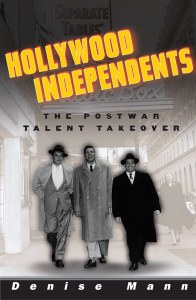
Hollywood Independents explores the period from 1948 to 1962 when independent film producers first became key components of the modern corporate entertainment industry. Denise Mann examines the impact of the radically changed filmmaking climate—the decline of the studios, the rise of television, and the rise of potent talent agencies—on a group of prominent talent-turned-producers, including Burt Lancaster, Elia Kazan, and Billy Wilder.
Hollywood Independents is a significant and needed contribution to the study of the left in Hollywood during the 1950s. Denise Mann brilliantly engages in close analyses of key films to reveal how both cultural and institutional factors shape their production.
Robert Kapsis, author of Hitchcock: The Making of a Reputation
Hollywood Independents explores the crucial period from 1948 to 1962 when independent film producers first became key components of the modern corporate entertainment industry. Denise Mann examines the impact of the radically changed filmmaking climate—the decline of the studios, the rise of television, and the rise of potent talent agencies like MCA—on a group of prominent talent-turned-producers, including Burt Lancaster, Joseph Mankiewicz, Elia Kazan, and Billy Wilder.
In order to show how these newly independent filmmakers negotiated through an increasingly fraught, reactionary creative atmosphere, Mann analyzes the reflexive portraits of their altered working conditions in such films as A Face in the Crowd, Sweet Smell of Success, and Will Success Spoil Rock Hunter? These artists, she shows, took on the corporate middle managers at television networks and talent agencies as a way of challenging the status quo without risking censorship or blacklisting.
This period saw the evolution of film production from the studio-governed system to one of entrepreneurs. Out of this new arrangement, which encouraged greater creative freedom, emerged a nascent form of independent art cinema that sowed the seeds of the Hollywood Renaissance that followed.
Denise Mann’s Hollywood Independents takes a fresh look at this intermediate era, the valley between classic Hollywood and the New Wave’s peaks, and finds an industry simultaneously in turmoil and in the midst of impressive artistic ferment. Mann’s book captures the desperation, and the enthusiasm, of an industry reinventing itself.
Boston Globe
Hollywood Independents is a significant and needed contribution to the study of the left in Hollywood during the 1950s. Denise Mann brilliantly engages in close analyses of key films to reveal how both cultural and institutional factors shape their production.
Robert Kapsis, author of Hitchcock: The Making of a Reputation
Mann offers one of the best available accounts of this transformative period in modern moviemaking.
DGA Quarterly
Hollywood Independents is valuable for its close examination of the economic, political and social changes in postwar Hollywood . . . Mann writes with insight.
Milwaukee Shepherd Express
A revealing, energetic, engaging book.
Choice
Hollywood Independents is a significant contribution to wider debates, providing a rigorously developed analysis of an evolving New Hollywood, and broader period tensions.
Scope
Her work provides a unique and valuable addition to understanding this key period in Hollywood history.
American Studies