Empire Islands
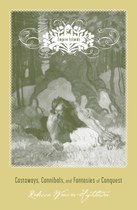
Castaways, Cannibals, and Fantasies of Conquest
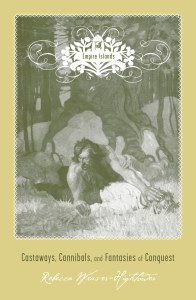
Rebecca Weaver-Hightower argues that by helping generations of readers to make sense of—and perhaps feel better about—imperial aggression, the castaway story in effect enabled the expansion and maintenance of European empire. Drawing on readings of works from Thomas More's Utopia and The Tempest to lesser-known works, Weaver-Hightower examines themes of cannibalism, monstrosity, and the concept of going native.
With its imaginative use of cultural and psychoanalytic theories, Empire Islands offers a trenchant and engaging analysis of castaway stories, illuminating their historical and contemporary significance for a world newly attuned to imperial issues.
Peter Hulme, University of Essex
Through a detailed unpacking of the castaway genre’s appeal in English literature, Empire Islands forwards our understanding of the sociopsychology of British Empire. Rebecca Weaver-Hightower argues convincingly that by helping generations of readers to make sense of—and perhaps feel better about—imperial aggression, the castaway story in effect enabled the expansion and maintenance of European empire.
Empire Islands asks why so many colonial authors chose islands as the setting for their stories of imperial adventure and why so many postcolonial writers “write back” to those castaway narratives. Drawing on insightful readings of works from Thomas More’s Utopia to Caribbean novels like George Lamming’s Water with Berries, from canonical works such as Robinson Crusoe and The Tempest to the lesser-known A Narrative of the Life and Astonishing Adventures of John Daniel by Ralph Morris, Weaver-Hightower examines themes of cannibalism, piracy, monstrosity, imperial aggression, and the concept of going native.
Ending with analysis of contemporary film and the role of the United States in global neoimperialism, Weaver-Hightower exposes how island narratives continue not only to describe but also to justify colonialism.
With its imaginative use of cultural and psychoanalytic theories, Empire Islands offers a trenchant and engaging analysis of castaway stories, illuminating their historical and contemporary significance for a world newly attuned to imperial issues.
Peter Hulme, University of Essex
Weaver-Hightower offers a cogent, literate consideration of why islands have figured so persistently in English literature.
Choice
There is much to be gleaned from Weaver-Hightower’s extensive research.
Leonardo
Empire Islands is a work of considerable scholarship that brings a fresh look and deeper understanding to literature set on islands and it is a valuable contribution to the wider field of island studies.
Island Studies Journal
Contents
Introduction Islands and the Narrating of Possession
1 Monarchs of All They Survey
2 Disciplined Islands: White Fatherhood, Homosocial Masculinity, and Law
3 Voracious Cannibals, Rapacious Pirates, and Threats of Counterincorporation
4 “Falling to the Lowest Degree of Brutishness”: Wild Men, Monsters, and the Bestial Taint
5 Island Parodies and Crusoe Pantomimes: Resistance from Within
6 The U.S. Island Fantasy, or Cast Away with Gilligan
Acknowledgments
Notes
Works Cited
Index