Cutting Edge
Art-Horror and the Horrific Avant-garde
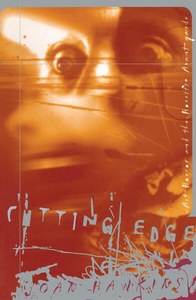
Joan Hawkins offers an original and provocative discussion of taste, trash aesthetics, and avant-garde culture of the 1960s and 1970s to reveal the subversiveness of the horror film as a genre. Full of unexpected insights, Cutting Edge calls for a rethinking of high/low distinctions-and a reassigning of labels at the video store.
Cutting Edge offers an intriguing and provocative examination of horror as a device in both "exploitation" cinema and the avant-garde. Joan Hawkins draws together an inventive and challenging range of materials that are effective in mutually informing one another. This is a groundbreaking work in film studies.
Jeffrey Sconce, University of Southern California
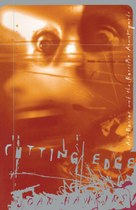
Even before Jean-Luc Godard and other members of the French New Wave championed Hollywood B movies, aesthetes and cineasts relished the raw emotions of genre films. This contradiction has been particularly true of horror cinema, in which the same images and themes found in exploitation and splatter movies are also found in avant-garde and experimental films, blurring boundaries of taste and calling into question traditional distinctions between high and low culture.
In Cutting Edge, Joan Hawkins offers an original and provocative discussion of taste, trash aesthetics, and avant-garde culture of the 1960s and 1970s to reveal horror’s subversiveness as a genre. In her treatment of what she terms "art-horror" films, Hawkins examines home viewing, video collection catalogs, and fanzines for insights into what draws audiences to transgressive films. Cutting Edge provides the first extended political critique of Yoko Ono’s rarely seen Rape and shows how a film such as Franju’s Eyes without a Face can work simultaneously as an art, political, and splatter film. The rediscovery of Tod Browning’s Freaks as an art film, the "eurotrash" cinema of Jess Franco, camp cults like the one around Maria Montez, and the "cross-over" reception of Andy Warhol’s Frankenstein are all studied for what they reveal about cultural hierarchies.
Looking at the low aspects of high culture and the high aspects of low culture, Hawkins scrutinizes the privilege habitually accorded "high" art-a tendency, she argues, that lets highbrow culture off the hook and removes it from the kinds of ethical and critical social discussions that have plagued horror and porn. Full of unexpected insights, Cutting Edge calls for a rethinking of high/low distinctions-and a reassigning of labels at the video store.
According to Cutting Edge on the outer edges of horror—that is, in its lowest ‘splatter’ and ‘sleaze’ and highest ‘art’ and ‘avant garde’ articulations—the presumed division between between high and low culture does not in fact exist. Joan Hawkins poses important questions and represents a significant work in the growing literature of serious critical examinations of cinematic taste, sleaze aesthetics, and the often entwined politics of art and trash cinema.
Film Quarterly
Cutting Edge incisively explores the way in which social anxieties are refracted by horror films. For instance: Was the murderous plastic surgeon in Eyes without a Face really a metaphor for smoldering French guilt over collaboration with the Nazis? Did the thalidomide scare enhance the appeal of Freaks at the time of its re-release in the 60s? Hawkins is at her strongest when she explores how the historical reception of specific films shook up critics’ assumptions. Examining the dorky downtown art snobs who dismissed the gross-out humor of Andy Warhol’s Frankenstein in their efforts to discredit the popularity of its director, Paul Morrissey, Hawkins skewers the art-vs.-pulp mentality.
Variety
Examines the offbeat cinematic culture of the 1960s and 70s and discusses the subversive nature of artistically rendered fright fare.
Burlington County Times (NJ)
Cutting Edge is an academic counterpart of what it presumes are the deliberate intentions of the films it discusses: it generates a sense of danger, of the forbidden, of the troublesome, without actually hurting anyone.
Media International Australia
Cutting Edge offers an intriguing and provocative examination of horror as a device in both "exploitation" cinema and the avant-garde. Joan Hawkins draws together an inventive and challenging range of materials that are effective in mutually informing one another. This is a groundbreaking work in film studies.
Jeffrey Sconce, University of Southern California
Cutting Edge is one of the most stimulating recent contributions to the study of the horror genre and its reception among audiences. Joan Hawkins excavates such provocative and diverse cultural terrain as paracinema catalogues and the aesthetic demands of videophiles, the tension between ‘high’ and ‘low’ art/culture, and the politics of the splattered body.
Science Fiction Studies
Enthusiastically recommended.
Video Watchdog
Contents
Acknowledgments
I. Paracinema Culture and Psychotronic Style
1. Sleaze-Mania, Euro-trash, and High Art: The Place of European Art Films in American Low Culture
2. Medium Cool: Video Culture, Video Aesthetics
II. At the Crossroads
3. Art Houses and Horrorshows; or, Pauline Kael Meets Georges Franju
4. The Scalpel’s Edge: Georges Franju’s Les yeux sans visage
5. The Anxiety of Influence: Georges Franju and the Medical Horrorshows of Jess Franco
III. When Horror Meets the Avant-garde
6. Exploitation Meets Direct Cinema: Yoko Ono’s Rapeand the Trash Cinema of Michael and Roberta Findlay
7. From Horror to Avant-garde: Tod Browning’s Freaks
8. Monsters in the Art World: Andy Warhol and Paul Morrissey
Conclusion: Mainstreaming Trash Aesthetics
Notes
Bibliography
Select Filmography and Videography
Video Distributors
Index