Yolanda López
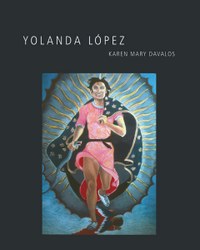
Chicana artist Yolanda López achieved international recognition for her groundbreaking and controversial Virgin of Guadalupe series of paintings (1975–78). Karen Mary Davalos identifies the themes and concerns that unify the artist’s diverse body of work. At times playful, political, and feminist, López is unwavering in her commitment to representing the experiences of Mexican American women in the United States, confronting stereotypes about Latin Americans and challenging U.S. immigration policy.
With its numerous reprints of Lopez’s most famous reinterpretations of la Virgen de Guadalupe, this book will no doubt spark interesting discussions around Chicanisma, sexuality and tradition.
Colorlines
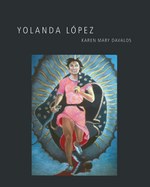
Chicana artist Yolanda López achieved international recognition for her groundbreaking and controversial Virgin of Guadalupe series of paintings (1975–78) in which she transformed the beloved icon in order to celebrate and sanctify ordinary Mexican and Mexican American women as hardworking, assertive, and vibrant. Born in San Diego, California, López formally trained as a painter but has since expanded into a variety of media, including installation, video, and slide presentations.
Karen Mary Davalos identifies the themes and concerns that unify the artist’s diverse body of work. At times playful, political, and feminist, López is unwavering in her commitment to representing the experiences of Mexican American women in the United States, confronting stereotypes about Latin Americans and challenging U.S. immigration policy.
With its numerous reprints of Lopez’s most famous reinterpretations of la Virgen de Guadalupe, this book will no doubt spark interesting discussions around Chicanisma, sexuality and tradition.
Colorlines
Handsomely illustrated with historical documents and reproductions of the work.
Choice
Both well-versed feminist readers and the general pubic will find this book immensely revealing and thought-provoking with regard both to the construction and representation of gender, racial, and cultural identity, and to Lopez’s extraordinary and significant artistic production.
Woman’s Art Journal