Watching Wildlife
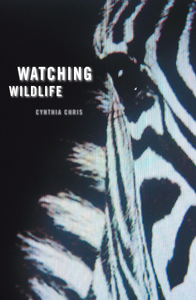
Watching Wildlife traces the history of the wildlife genre from precinematic, colonial visual culture to its contemporary status as flagship programming on global television. Cynthia Chris's analysis of shows such as Crocodile Hunter and film and television history like the launch of Animal Planet, points out how documentary images of animals present prevailing ideologies about human gender, sexuality, and race.
In this rich, fascinating account of why wildlife films should be understood as human cultural artifacts, Cynthia Chris demonstrates how ideologies of race, gender, and sexuality have found comfortable surroundings in the feigned objectivity of the nature film.
Nigel Rothfels, author of Savages and Beasts: The Birth of the Modern Zoo
You and me baby ain't nothin' but mammals
So let's do it like they do on the Discovery Channel.
—Bloodhound Gang
It has never been easier for Americans to observe wild and exotic animals from the comfort and safety of their couches. Several cable channels—Animal Planet, the Discovery Channel, the National Geographic—provide around-the-clock wildlife programming while the traditional networks regularly broadcast animal documentaries, late-night appearances by zoologists and their animal charges, and sensationalistic specials about animals attacking hapless humans. Though the ubiquity of animals on television is new, the genre of the wildlife documentary is as old as cinema itself.
In Watching Wildlife, Cynthia Chris traces the history of the wildlife genre from its origins in pre-cinematic, colonial visual culture to its contemporary status as flagship programming on global television, and explores evolving beliefs about, and attitudes toward, animal subjects. Nature programming and films are consistently presented as real and unmediated reflections of nature. But in Chris's analysis of specific shows (Mutual of Omaha's Wild Kingdom and cable television's Crocodile Hunter) and film and television history (the colonial cinema, the launch of Animal Planet), she points out how—particularly in the genre's preoccupation with mating and the favoritism bestowed on certain species—documentary images of animals are and always have been about prevailing ideologies about human gender, sexuality, and race.
Ultimately, Chris's sweeping and cogent account of the wildlife documentary incorporates this frequently overlooked genre into broader debates about media globalization, human-animal relations, and popular scientific discourse.
In this rich, fascinating account of why wildlife films should be understood as human cultural artifacts, Cynthia Chris demonstrates how ideologies of race, gender, and sexuality have found comfortable surroundings in the feigned objectivity of the nature film.
Nigel Rothfels, author of Savages and Beasts: The Birth of the Modern Zoo
Chris provides readers with a fascinating study of the way wildlife films and television have not only illustrated the state of the planet’s fauna but also have provided a mirror for mass media views of human interactions.
Moving Image
Chris’s impressive, meticulously researched new study shows that this phase is ending, that wildlife films are recognized as a genre in their own right, with codes, conventions, and complexities worthy of in-depth scholarly analysis. Chris offers enough fresh observations to make even familiar terrain worth a second glance. A book that is likely to be the most influential on the subject of wildlife films so far.
International Journal of Communication
Helps us better understand what in the world all those critters are doing that’s so gosh-awful important that they deserve their own cable TV channels.
Communication Booknotes Quarterly
Watching Wildlife will open the eyes of those who might cling to the naïveté of Disney’s True-Life Adventures. More importantly, it will enlarge the scope of media scholars and those interested in the place of wildlife film in our mediated world.
Television Quarterly
Chris examines how nature programming became ubiquitous, and why it is so popular, in this thorough analysis. Although the writing style is academic, the subject matter will be of interest to all readers who love animals.
Booklist
Watching Wildlife is an impressive account of the wildlife genre. An impressive, sometimes provocative book that builds upon existing work in this field.
Media International Australia
Watching Wildlife is a deeply grounded and illuminating work.
Feminist Media Studies
Contents
Acknowledgments
Introduction
1. The Wildlife Film Era
2. The Quest for Nature on the Small Screen
3. Wildlife, Remade for TV
4. Animal Sex
5. The Giant Panda as Documentary Subject
Conclusion: Learning from TV, Learning from Animals
Notes
Index